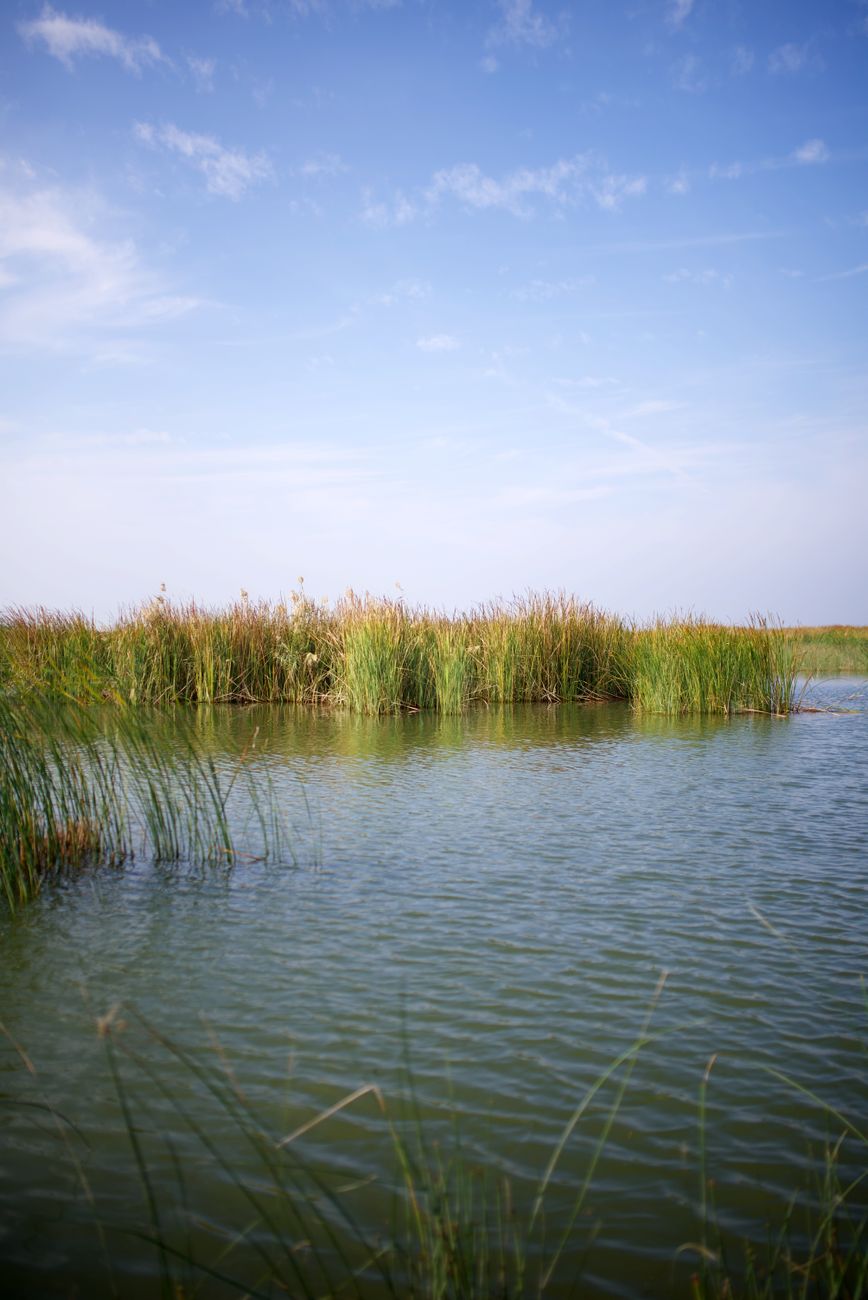
Across the marsh, a white smudge floated above the grass. I slowly twirled the knob on my binoculars. The smear of white crispened into a long, skinny neck—no wider than a garden hose—a round body, and spindly, sticklike legs. An egret. The image bobbed with the waters gently flowing beneath my kayak. After a few moments of marveling at the creature’s delicate balance, I lowered my binoculars. The still morning air, sulfurous and salty with the breath of the nearby ocean, meandered between the long stalks of cord grass (or spartina) and ruffled the surface of the water. The rising tide licked the sculpted towers of thick mud, etched with splotchy layers and pearl-shaped droplets, and cratered with window-like openings of crab burrows. Except for the soft swooshes of our paddles, the scene was silent, the marsh quietly nourishing and protecting the expansive coastline.
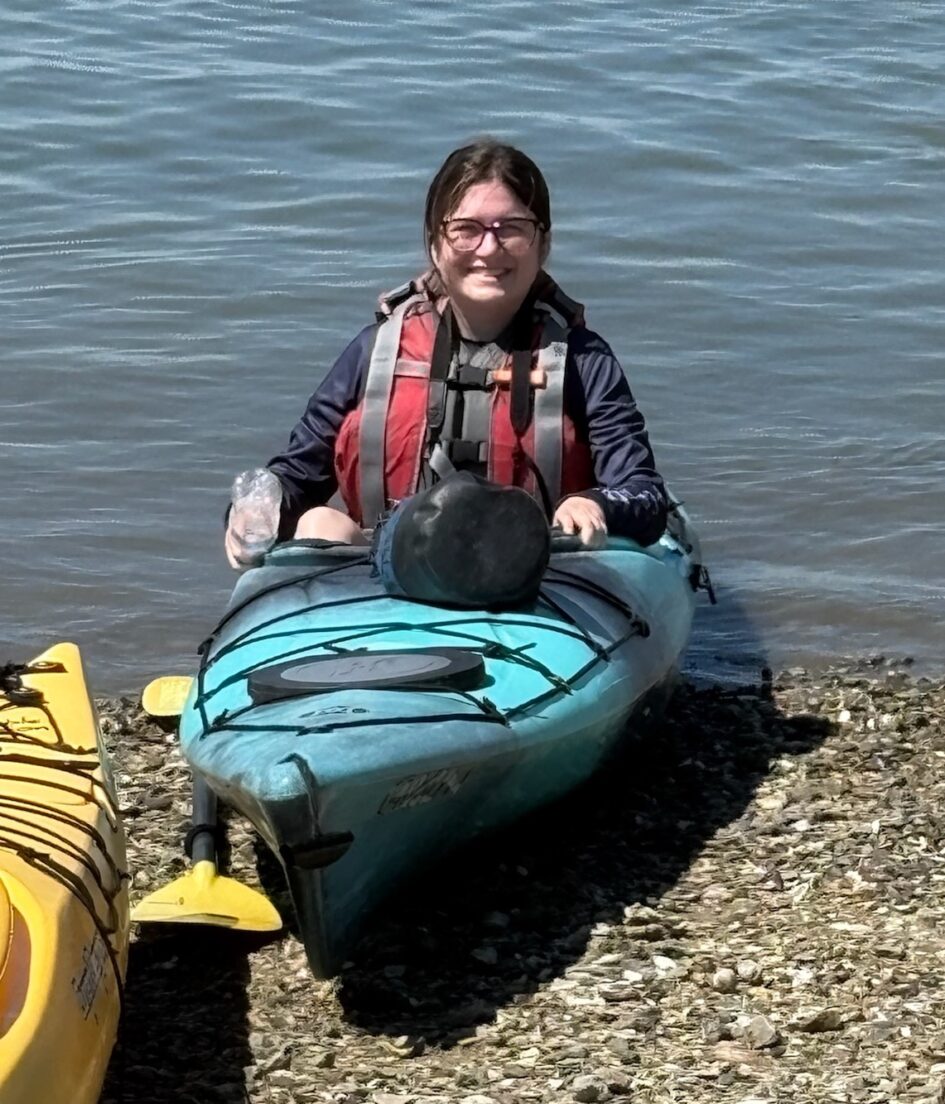
I was on a guided tour of the salt marshes of South Carolina, learning about this underappreciated habitat. Twice a day, the tides transform these marshes into a shifting blend of salt and fresh water, creating unique conditions for specially-adapted creatures to flourish. On this tour, I saw egrets snapping up crabs, a heron stalking the reeds, a mama osprey guarding a 300-lb nest, and even the dorsal fin of a bottlenose dolphin peaking above the water. The complex ecosystem is rooted in the spartina, which has the ability to filter salt water by secreting extra sodium. When it dies, it joins a mushy layer of decomposing detritus made of everything from fish bones to oyster shells. This detritus forms the ubiquitous pluff mud, which is light and airy from the trapped gases from decomposing organic matter, but so dense with nutrients that it can be used as a fertilizer. If spartina is the root of this ecosystem, pluff mud is the anchor, continually consuming and nourishing generations of wildlife.
The biology is fascinating on its own. But it also explains why these marshes are so valuable to us. These marshes filter pollutants from the water. And like other coastal wetlands, they act as a buffer against flooding from hurricanes. One study showed that in storm conditions, salt marshes can reduce wave height by nearly 18%. They also lower flood peaks and slow the progression of rising waters. Marshes are a natural sponge, absorbing the floodwaters so that your home and business don’t have to. It’s estimated that coastal wetlands save the country $23 billion each year by preventing storm damages.
By the time scientists realized these benefits, it was almost too late: about half the salt marshes in the United States had been filled to make way for housing, businesses, and farms; ditched to control mosquito populations; or diked to create habitats for ducks. Land use is more tightly regulated now, but the marshes are still threatened by pollution. Runoff from roads and farms carries petroleum, pesticides, and fertilizer into marshes. Although marshes are able to filter some toxins from the water, too much pollution can overwhelm and poison these unique environments.
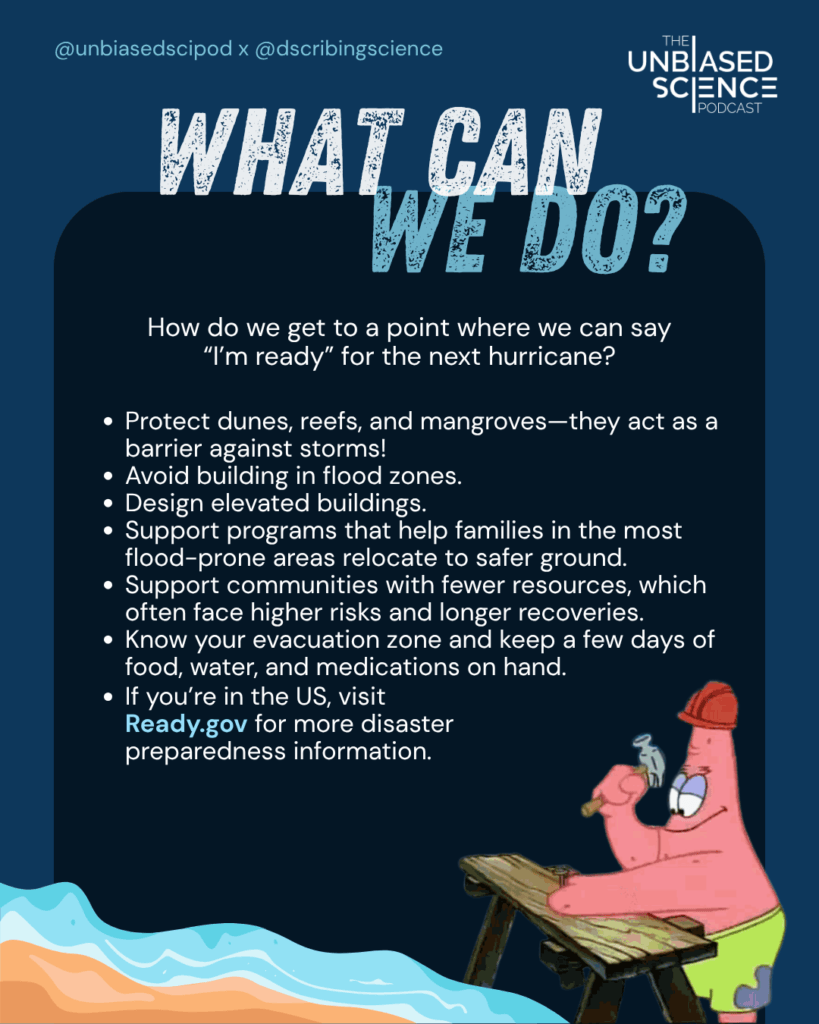
In an era of rapidly intensifying storms, protecting these marshes is more important than ever. Their use is regulated by an array of federal and state laws, and these entities oversee wetland restoration activities. Governments can further protect marshes by limiting runoff through use of porous pavement, vegetative buffers (i.e., strips of land with stormwater-catching plants), and water detention basins. On an everyday level, people can minimize the use of fertilizers, which often end up in the water supply. We can also clean up after our pets, whose poop contains potentially harmful bacteria.
Later that evening, I watched lightning paint the sky purple over the marsh, safe in my raised Airbnb on a property fringed by buffer plants. I clutched my cup of tea and marveled at the spartina reeds bending in the wind. Whether you consider the egret picking for fiddler crabs, the osprey building its nest on an abandoned shrimping boat, the spartina filtering water, or even the pluff mud eternally renewing the entire ecosystem, the salt marshes of South Carolina are a model of resilience and adaptability. Like the reeds themselves, they’ve survived by adapting to impossible odds, by bending instead of breaking. In the face of a changing climate, it’s a way of life that we all may need to learn from.
“Marsh is a space of light, where grass grows in water, and water flows into the sky. Slow-moving creeks wander, carrying the orb of the sun with them to the sea, and long-legged birds lift with unexpected grace—as though not built to fly—against the roar of a thousand snow geese. Then within the marsh, here and there, true swamp crawls into low-lying bogs, hidden in clammy forests.” —Delia Owens, Where the Crawdads Sing
Books I’m Reading:
- Quicksilver and Brimstone by Callie Hart
Sources:
Costanza R, Pérez-Maqueo O, Martinez ML, Sutton P, Anderson SJ, & Mulder K. The value of coastal wetlands for hurricane protection. AMBIO: A Journal of the Human Environment. 2008; 37(4), 241–248. https://doi.org/10.1579/0044-7447(2008)37[241:TVOCWF]2.0.CO;2
Guide to the Salt Marshes and Tidal Creeks of the Southeastern United States. (n.d.). Threats and protection. https://www.saltmarshguide.org/guide/threats-protection/
Möller I, Kudella M, Rupprecht F, Spencer T, Paul M, van Wesenbeek BK, et al. Wave attenuation over coastal salt marshes under storm surge conditions. Nature Geoscience. 2014; 7; 727–731. https://doi.org/10.1038/ngeo2251
National Oceanic and Atmospheric Administration. (2026). Coastal wetland habitat. https://www.fisheries.noaa.gov/national/habitat-conservation/coastal-wetland-habitat
National Oceanic and Atmospheric Administration. (n.d.). What is a salt marsh? https://oceanservice.noaa.gov/facts/saltmarsh.html
South Carolina Department of Natural Resources. (2014). Dynamics of the salt marsh. https://www.dnr.sc.gov/marine/pub/seascience/dynamic.html
Related:
Oh, Rats! From Plague to Hantavirus
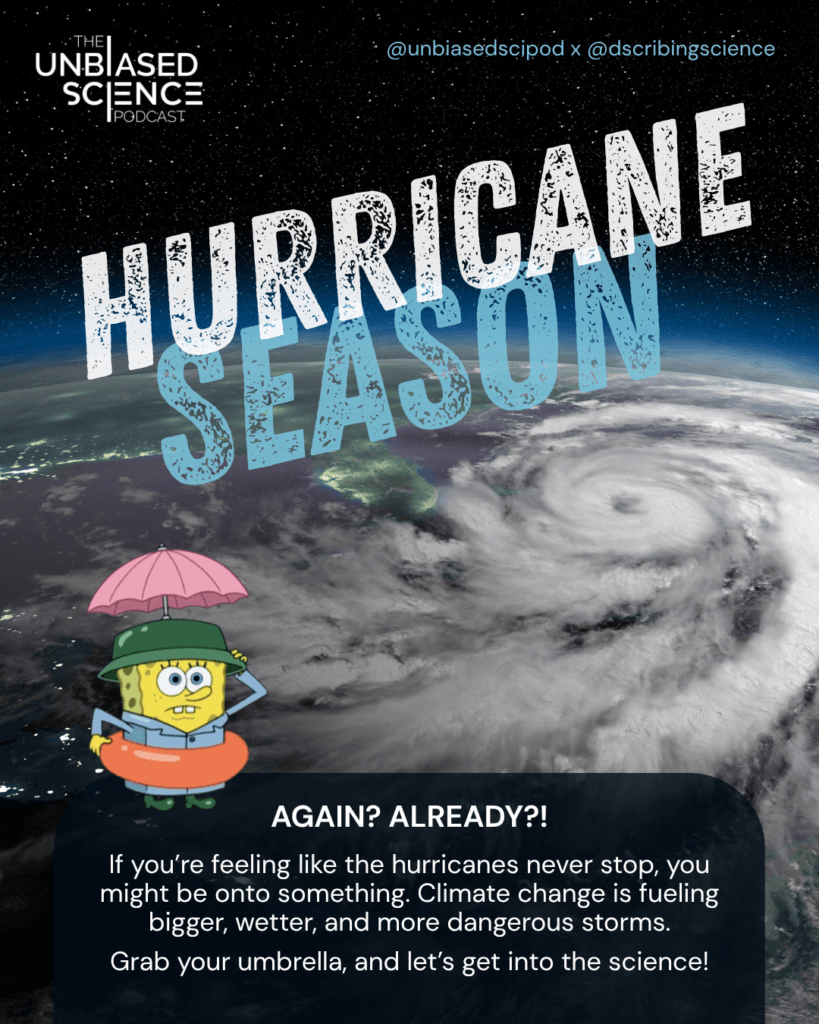
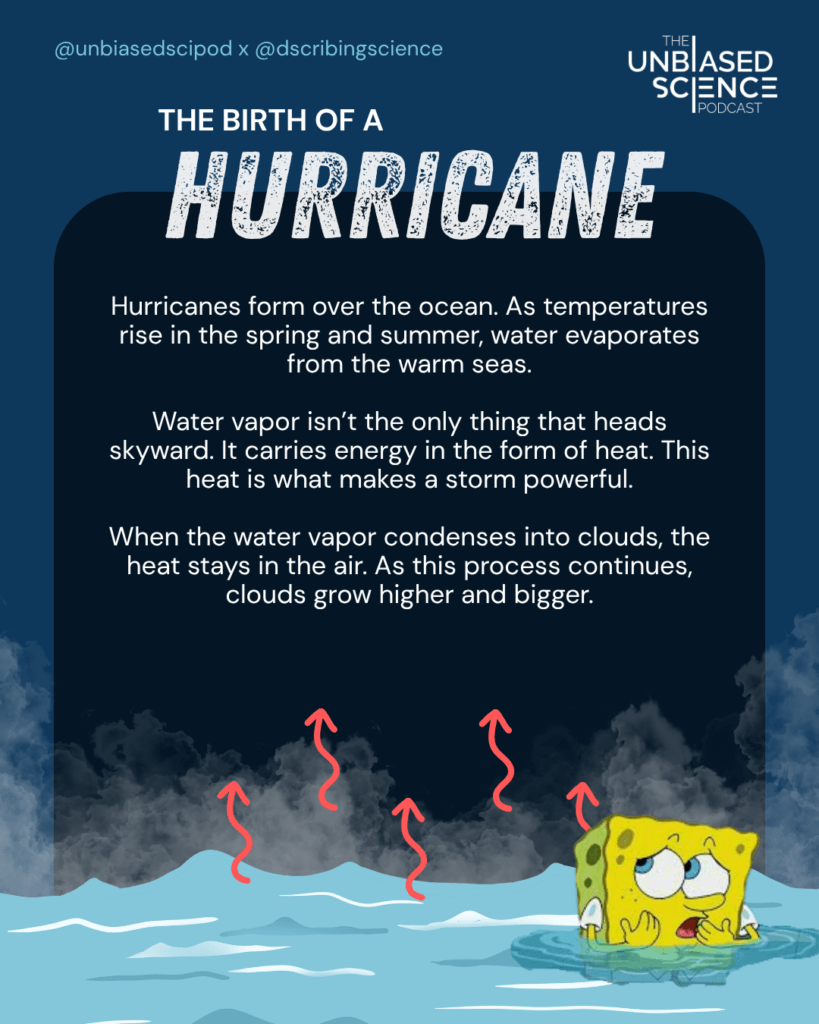
This social media collaboration with Unbiased Science:
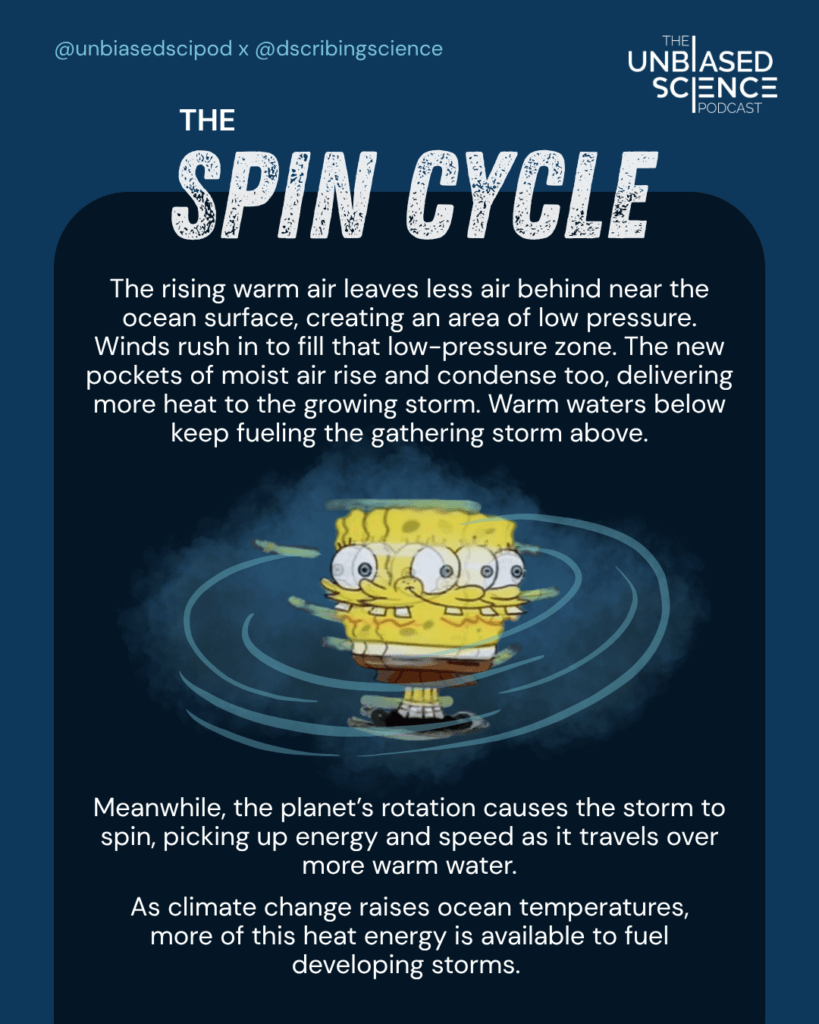
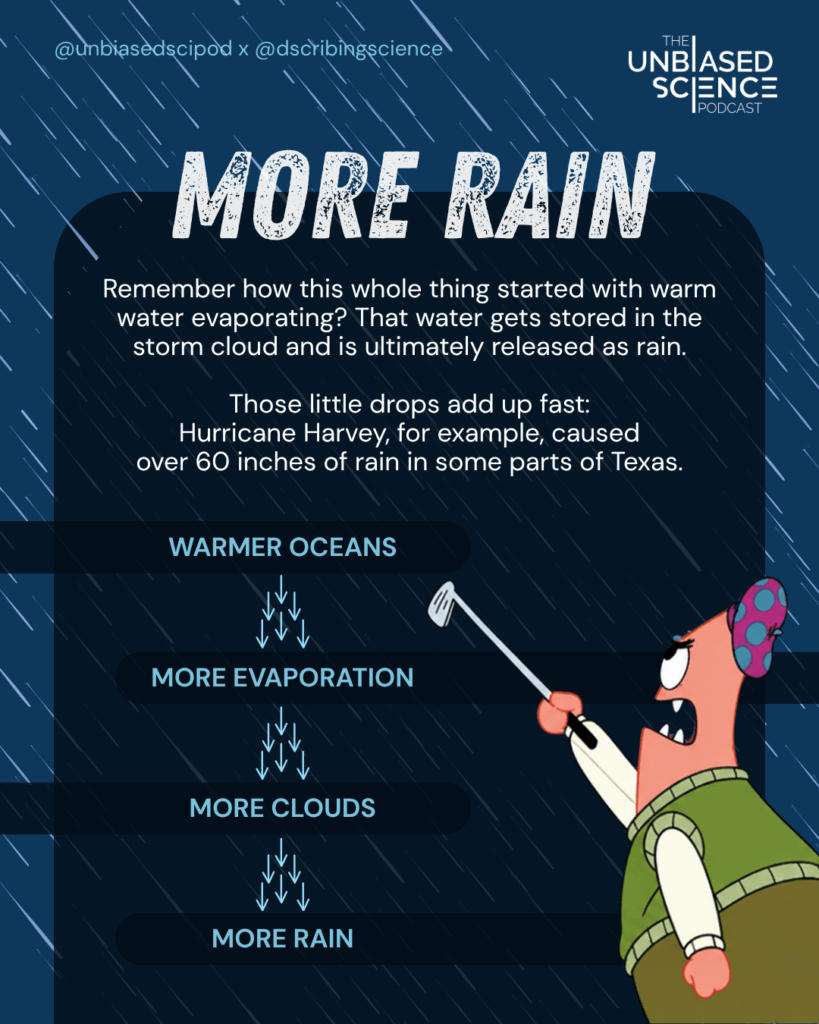
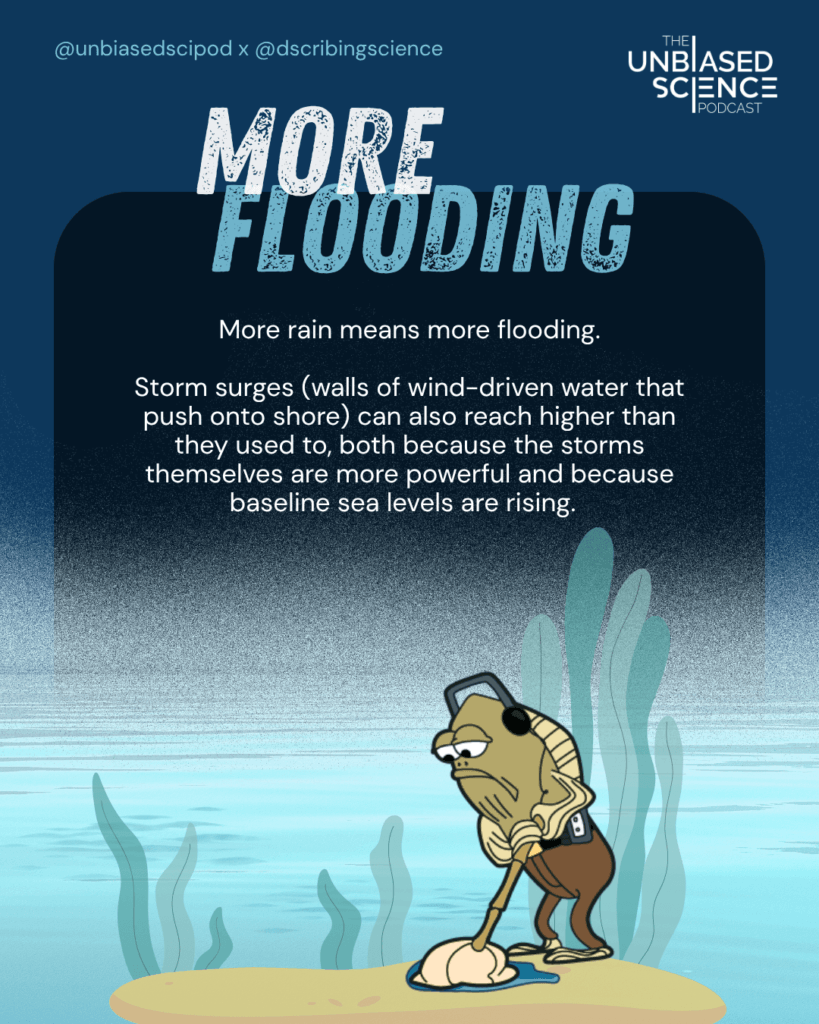

Leave a Reply