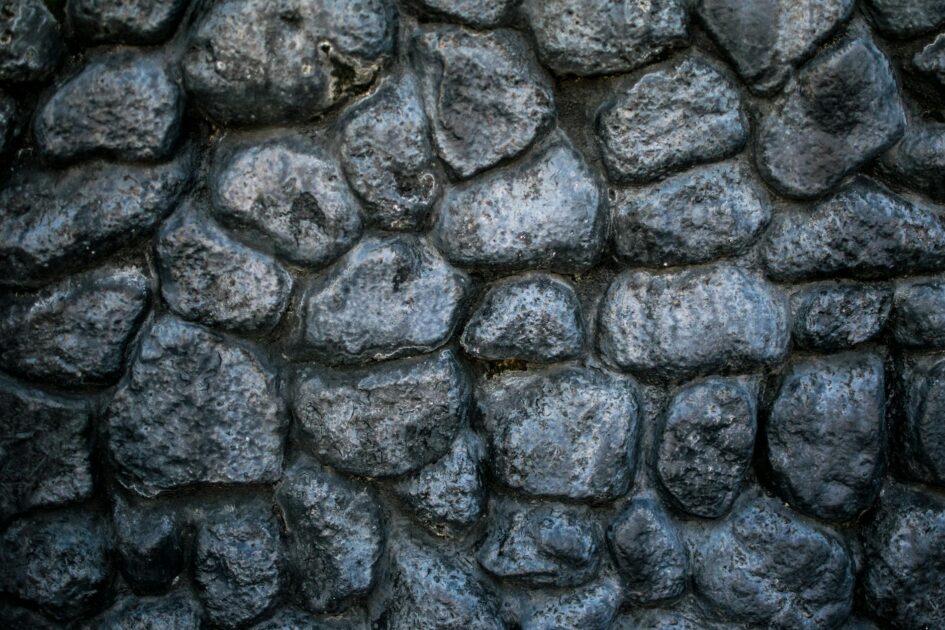
It triggered the world’s largest mass extinction. Now it could fight climate change.
It’s…a rock?
Over 250 million years ago, basaltic lava oozed across Siberia, emitting massive amounts of carbon dioxide. The rapid influx of gas caused worldwide rise in temperatures and ocean acidification, triggering the world’s largest mass extinction event. If the story sounds familiar, you’re not alone: today, an upswelling of carbon dioxide (this time manmade) is driving a climate crisis.
But this time, the story could have a happy ending. Those ancient lava flows hardened into basalt, the most common rock on the planet. Recent studies have shown that it could be a potent carbon sequestration tool. When sprinkled on agricultural field, powdered basalt can absorb carbon dioxide from the air. Plus, it nourishes the soil, leading to better crops. Basalt has transformed from a climate villain to hero. But does it actually stand a chance in slowing climate change?
Learn this and more in my latest article in Great Lakes Rock Hunter!

Leave a Reply