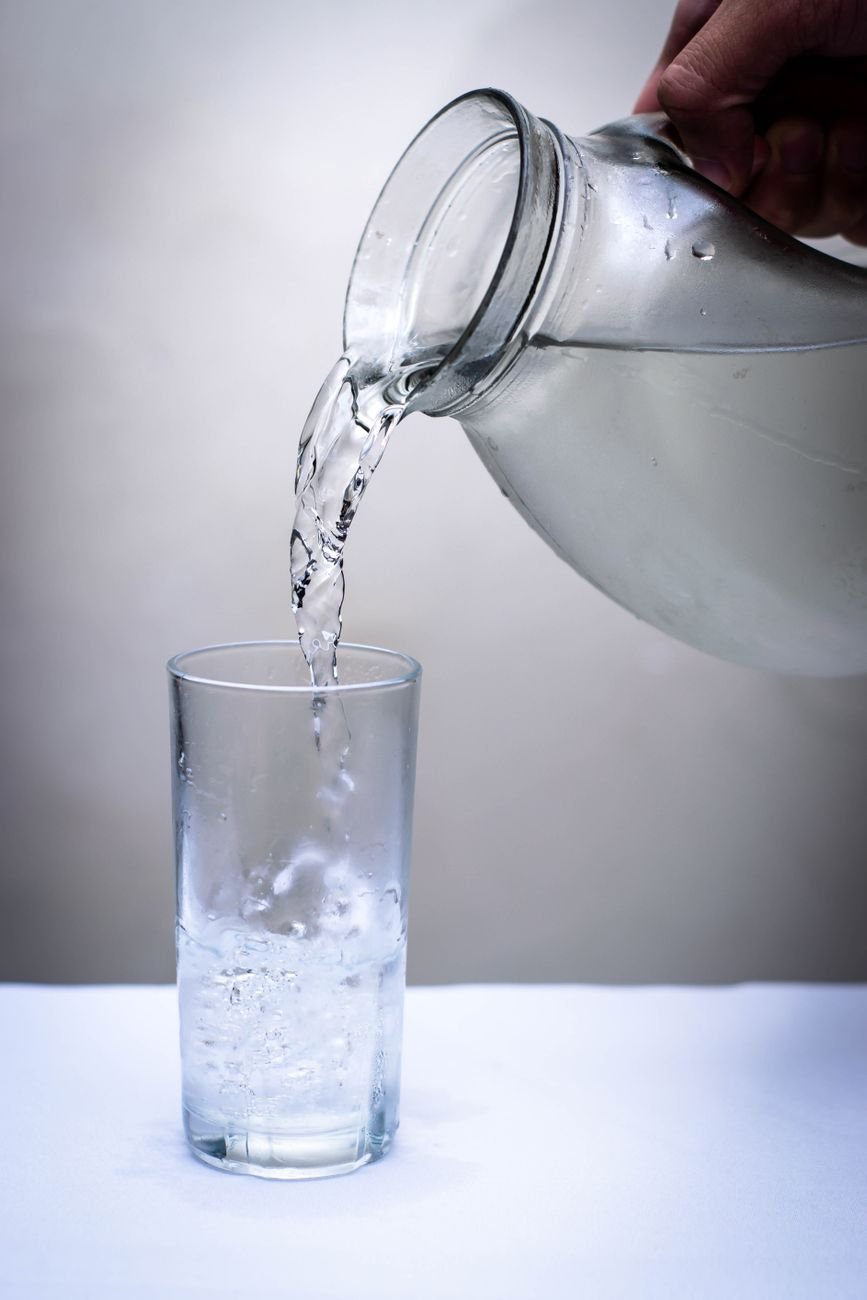
Jesus drank a lot of wine—it’s mentioned all over the Bible. But there may have been a practical reason for reaching for a cup of wine: it might have been safer to drink than water (although the ancients may not have known this). That’s because even seemingly clean water can harbor billions of tiny microbes, some of which can cause diseases like cholera and typhoid fever.
Waterborne disease isn’t just ancient history. Despite advances in technology, unsafe water is still a reality for many people around the world. Globally, 1 in 4 people don’t have access to safe drinking water, and the burden falls disproportionately on people in low- and middle-income countries. Each year, 1 million people die of diarrheal diseases linked to unsafe drinking water, inadequate sanitation, and poor hygiene. Nearly 400,000 of these deaths are in children under the age of 5.
Unclean water isn’t just a problem for low- and middle-income countries. This summer, nearly 13,000 people across the United States got sick from eating lettuce contaminated with Cyclospora parasites. These parasites spread through food that has been grown in soil or come into contact with water that’s been contaminated with a sick person’s poop. Although the circumstances of this outbreak still aren’t clear, many previous cases have been linked to contaminated irrigation water.
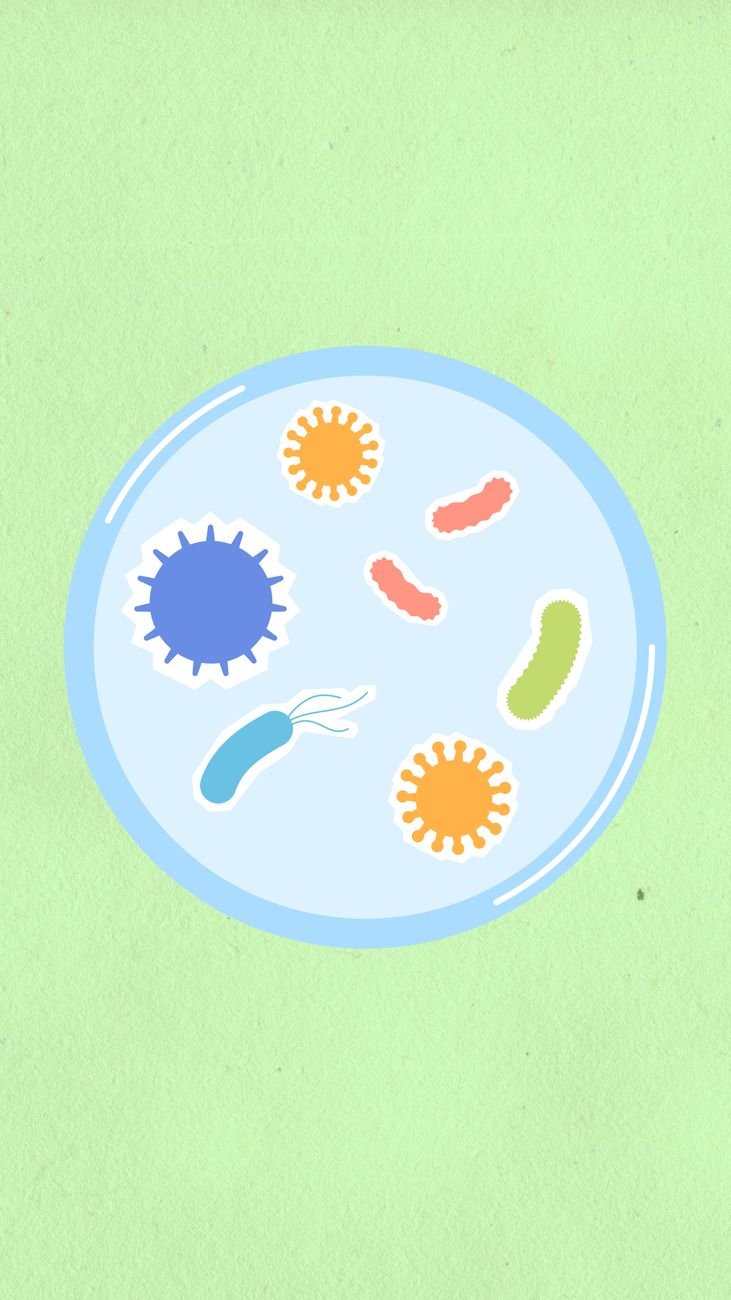
As we celebrate the Season of Creation in the Catholic Church, it’s important to remember that this year’s theme, Living Water, is about more than purity or renewal. It’s about life itself. Water isn’t living, but it makes life possible. Not just for us, but also for the tiniest, humblest microbes—and some dangerous, not-so-humble ones as well.
Ecosystems, even ones within a single droplet of water, are complex. We can kill most germs by boiling water, but that doesn’t answer some bigger structural questions: how do we keep water systems clean and healthy? How can we prevent germs from contaminating a water supply in the first place? As sources of safe drinking water dwindle (only 0.5 percent of the earth’s water is usable and available freshwater, and drought, flooding, extreme precipitation, sea-level rise, and other climate-related changes can affect water availability and water quality and complicate efforts to maintain reliable supplies), how can we ensure everyone gets fair access?
These challenges aren’t insurmountable: we’ve seen major progress in expanding access to safe drinking water. From 2015 to 2024, over 960 million people gained this precious resource. To promote action, the United Nations has prioritized clean water and sanitation as a sustainable development goal, and named 2018–2028 the Water Action Decade.
Solutions include:
- At the farm: safer irrigation practices
- In communities: sanitation and wastewater infrastructure (like flush toilets and running water)
- Across water supplies: stronger water management and treatment (like sewer systems)
- Where freshwater is scarce: technologies such as desalination
Safe water isn’t just a convenience. It’s a foundation for health, ecosystems, and human dignity. A donation or prayer may feel like a drop in the bucket. But those droplets add up fast. With continued investment and support, we may be able to turn water into—well, not wine, but at least something safe to drink.
Books I’m Reading:
- Tales from the Shadowhunter Academy
- That’s Not My Name
- Don’t Let the Forest In
- Vanishing Elena
Related: Ripples of Wonder, Waves of Change

Leave a Reply