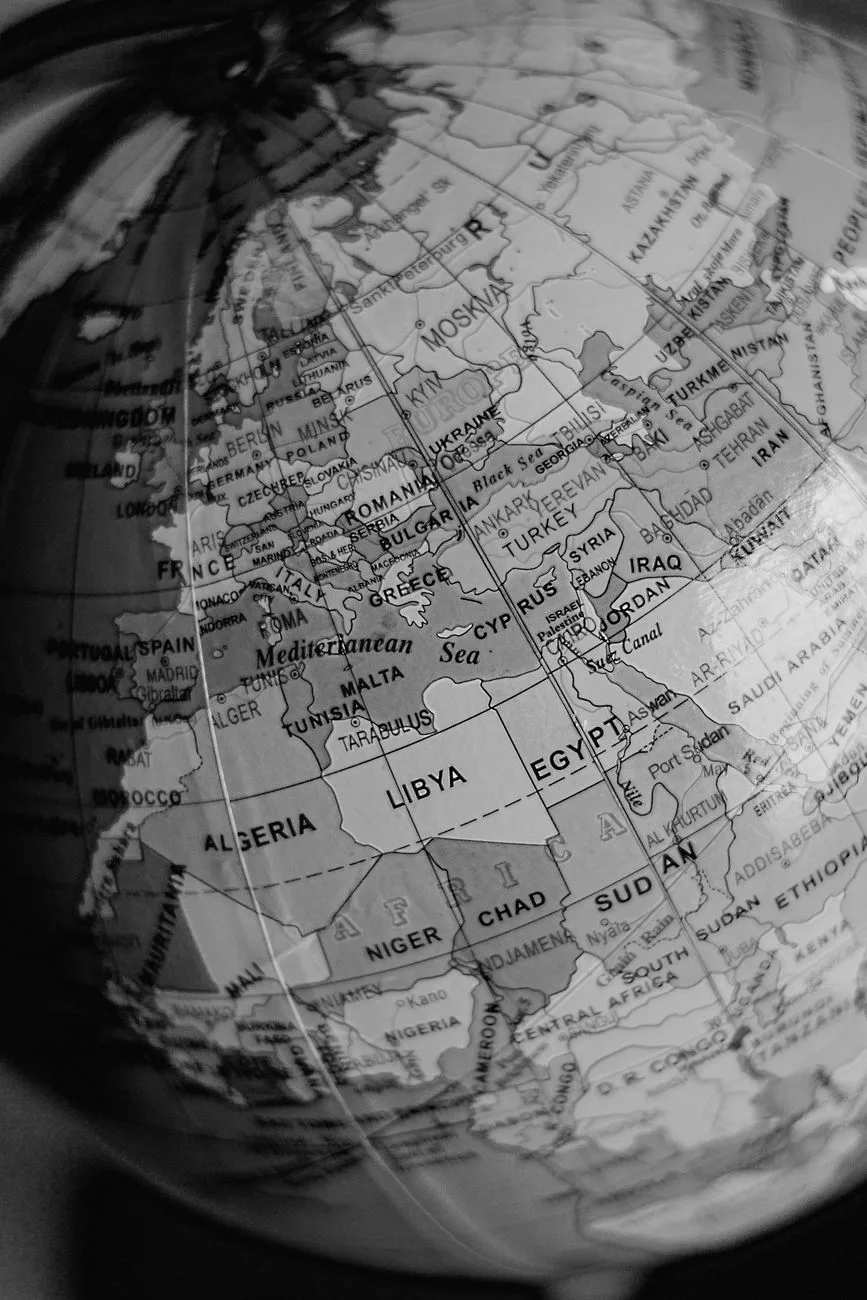
If animals were experiencing a global outbreak of a deadly disease, we would know, right?
Well, we do. We’re just not talking about it.
Avian influenza—better known as bird flu—killed over 300 million birds worldwide by December 2024, and the disease keeps spreading. Since the current outbreak began in central Europe in 2020, the disease has reached some of the most remote and vulnerable bird populations around the world, from the red-footed booby in the Galapagos Islands to the giant petrel—an aggressive seabird with a penchant for projectile-vomiting its enemies—in Antarctica.
Now, the disease has reached Australia, where it is spreading among crested terns and other native species. Many of these animals belong to small or vulnerable populations found nowhere else in the world.
We know there’s a problem. The challenge is, wildlife outbreaks are uniquely difficult to see. If we want to protect animals—and ourselves—we first have to make the invisible visible.
We Can’t Protect What We Can’t Count
We know over 300 million birds have died, but that (outdated) estimate captures only part of the virus’s true toll on wildlife. It doesn’t include the many non-bird species that have experienced massive die-offs, such as sea lions and seals in South America (and another seal die-off is anticipated in Australia).
Before anything else, we need to understand the problem. And that requires data.
But the thing is, we don’t have much data on bird flu in wildlife. Although the U.S. Geological Survey’s National Wildlife Health Center has detected over 10,000 cases of bird flu in animals across the nation, it is hard to catch every case.
Can We Vaccinate Wildlife Against Bird Flu?
There’s a vaccine for seasonal influenza. So what if we could vaccinate wild birds?
In some cases, scientists can. Scientists have successfully developed a vaccine to protect the endangered California condor and deployed it to over 200 individuals. But developing and testing a vaccine for every species would be a difficult undertaking, and vaccinating billions of wild birds around the globe would be a logistical nightmare.
Instead, scientists are focusing vaccination efforts on strategically chosen species. For example, the Australian government is vaccinating 5,000 little penguins, which are relatively simple to capture and vaccinate during their nightly waddle. It still isn’t easy though—each penguin requires two separate doses, so they need to be caught twice.
Vaccination won’t eliminate bird flu from the wild, but it could help protect vulnerable populations from its worst effects.
Improving Resiliency
One effective approach could be conserving more wild spaces. In the face of human encroachment, many birds are being cramped into smaller areas that they share with other species. Not only does this put stress on the birds’ immune system, but it also creates ripe grounds for the spread of disease. Protecting habitat won’t stop bird flu on its own, but it can reduce some of the pressures that make wildlife more vulnerable to disease.
Make Wildlife Disease Visible
But what can an average person do to protect wildlife from bird flu? You probably can’t vaccinate a penguin or collect blood samples from a duck. But you can help keep wildlife disease on the public agenda.
The first step is to stay informed. (You can start by reading my full Spring 2026 article on the topic, “Bird Flu in the Wild.”)
The next step is to share this knowledge with others. Greater public awareness can also build support for surveillance, vaccination, and conservation efforts.
And of course, take these concerns to your local representatives.
It all comes down to visibility. Because we’d know if animals really were experiencing a global outbreak of a deadly disease, right?
We would. But only if we’re looking.
Books I’m Reading:
- Moby Dick
- It
Related: Bird Flu: What You Should Know

Leave a Reply