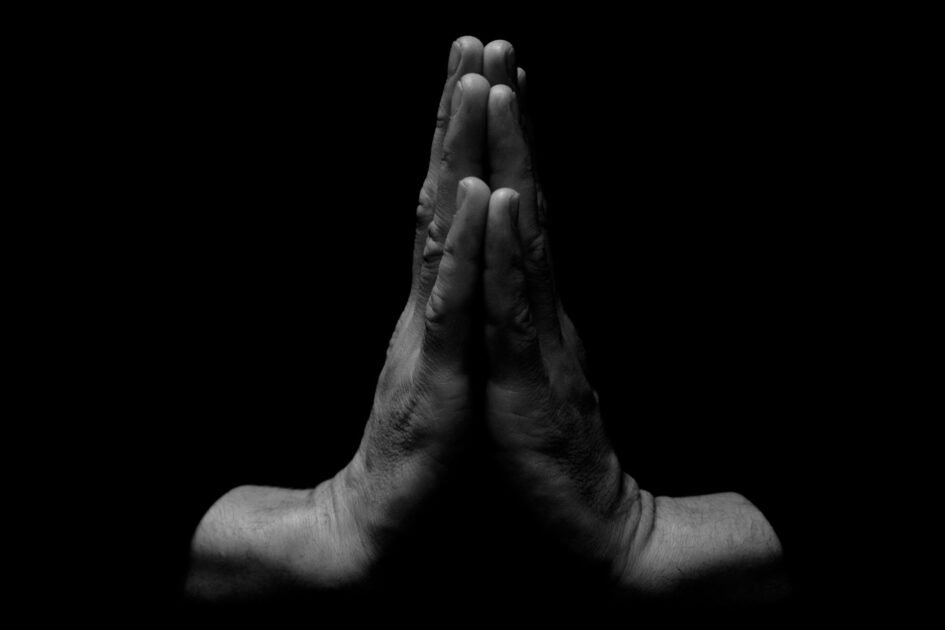
The leaves have crispened and fallen, the Halloween pumpkins have sagged inward, and the air is starting to smell like woodfire and snow. It’s the season of death and decay, and it’s also the season to be grateful for what life has given us.
While volunteering at a church retreat this month, I shaped my mouth around formulaic prayers of thanksgiving: Thank you for feet to walk, eyes to see, hands to work. And I couldn’t help but wonder how those words felt to people who used wheelchairs, had visual impairments, or other differences.
Every year, we’re urged to be grateful for what we have, and that’s important. Gratitude infuses life with optimism and joy. But is there a flip side to gratitude—an othering of people who don’t have the same things we do? When we say we are grateful for good health, are we isolating people who are sick or dying? This framing could imply that people don’t just “have” less—but that they are less, or don’t deserve the same opportunities or care as healthy people. Instead, is there a way to be more inclusive of all people when we say we are grateful?
This leads me to another question: How do we practice gratitude when we’re living with illness or disability?
There’s an important distinction to make here: disability and health are related, but they’re not the same thing. Health problems can cause disability and vice versa, but a disability isn’t always a sign of poor health. Someone who has a limb difference or is blind could be perfectly healthy.
After all, it’s hard for me to be grateful for the heart defect I was born with, or the mental health struggles I’ve faced. But I am thankful for life-saving medical care, the support of my family and friends, and the lessons I’ve learned about myself in recovery.
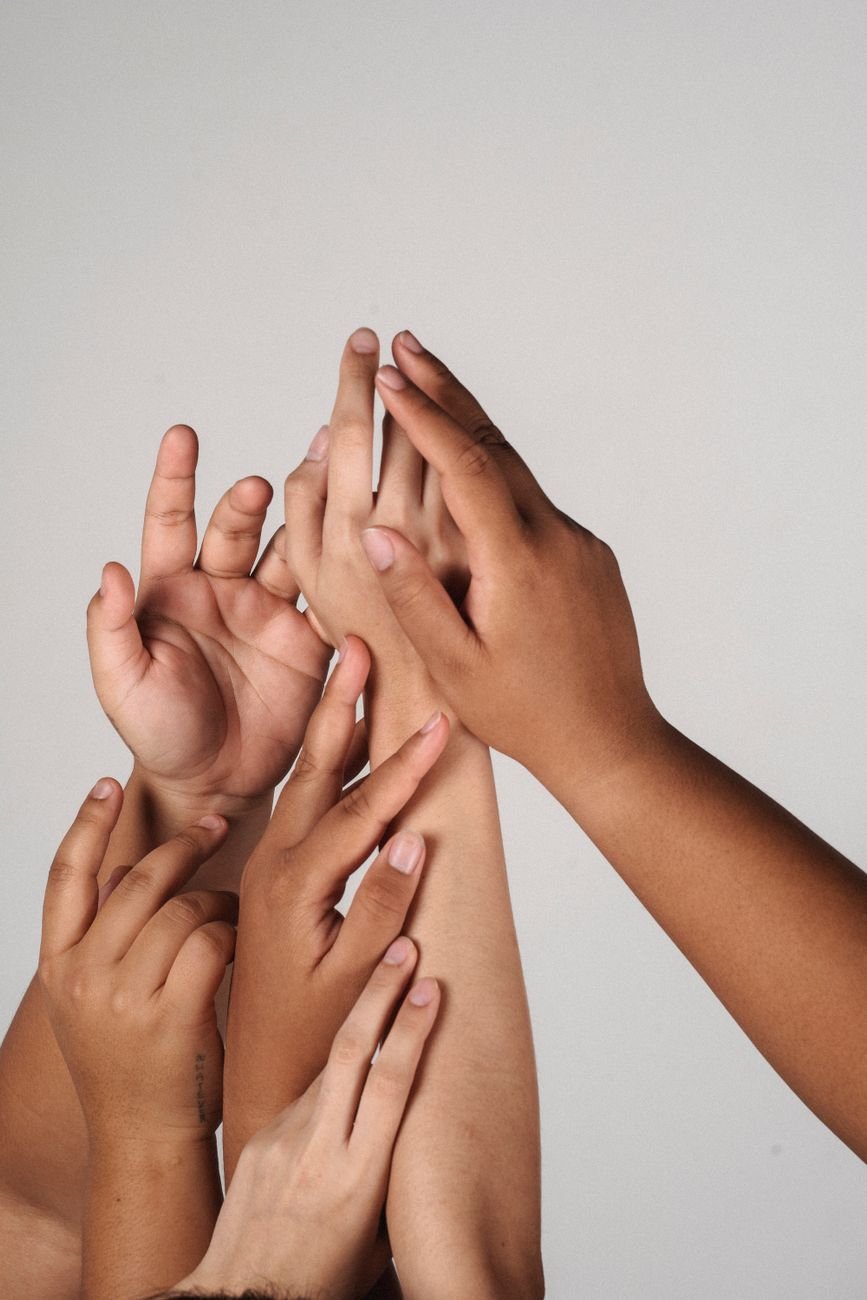
At the same time, some people feel proud of their differences. Many autistic people, for example, might feel that neurodivergence has shaped their identity, for the better as well as the worse. Or D/deaf people might be glad for a thriving community and culture.
Of course, all of this is shaped by the way a condition affects your life. The same diagnosis—autism, for example—can affect people in vastly different ways. For some people, it may be an identity. Meanwhile, it could also be an active source of pain or distress. Someone can be proud of their identity, value their community, and advocate for disability rights without being grateful for every aspect of their experience. Similarly, someone can experience significant suffering without feeling that their disability defines their identity.
Our experiences are also shaped by access to resources. Well-being is profoundly impacted by whether we can have medicine, clean water, nutritious food, support from loved ones, and more. For example, someone with a chronic illness may have access to excellent medical care, while another person with the same diagnosis cannot afford treatment.
Maybe gratitude is a more complex thing than we realize. But what isn’t complex is this: gratitude shouldn’t depend on comparing our circumstances with those of other people. We can appreciate what we have without implying that people who have different bodies, abilities, or health experiences have less valuable lives.
So with all that said, what does inclusive gratitude actually look like?
Perhaps it means:
- Appreciating what our bodies can do without comparing ourselves to others
- Recognizing the people and resources that make our lives better
- Allowing people to have complicated feelings about their health and bodies without prescribing how they should feel
This Thanksgiving, let’s appreciate how gratitude—especially when it comes to our bodies—might look different for everyone.
I’d love to hear—how do you think about gratitude in the context of health and disability?
What I’m Reading:
- Moby Dick
Related: No More Miracle Cures: Disability Rep In Middle-Grade Books
Leave a Reply